The danger of a massive satellite breakup, the cascade of space debris, and the “metallic dust” that can end up in the atmosphere
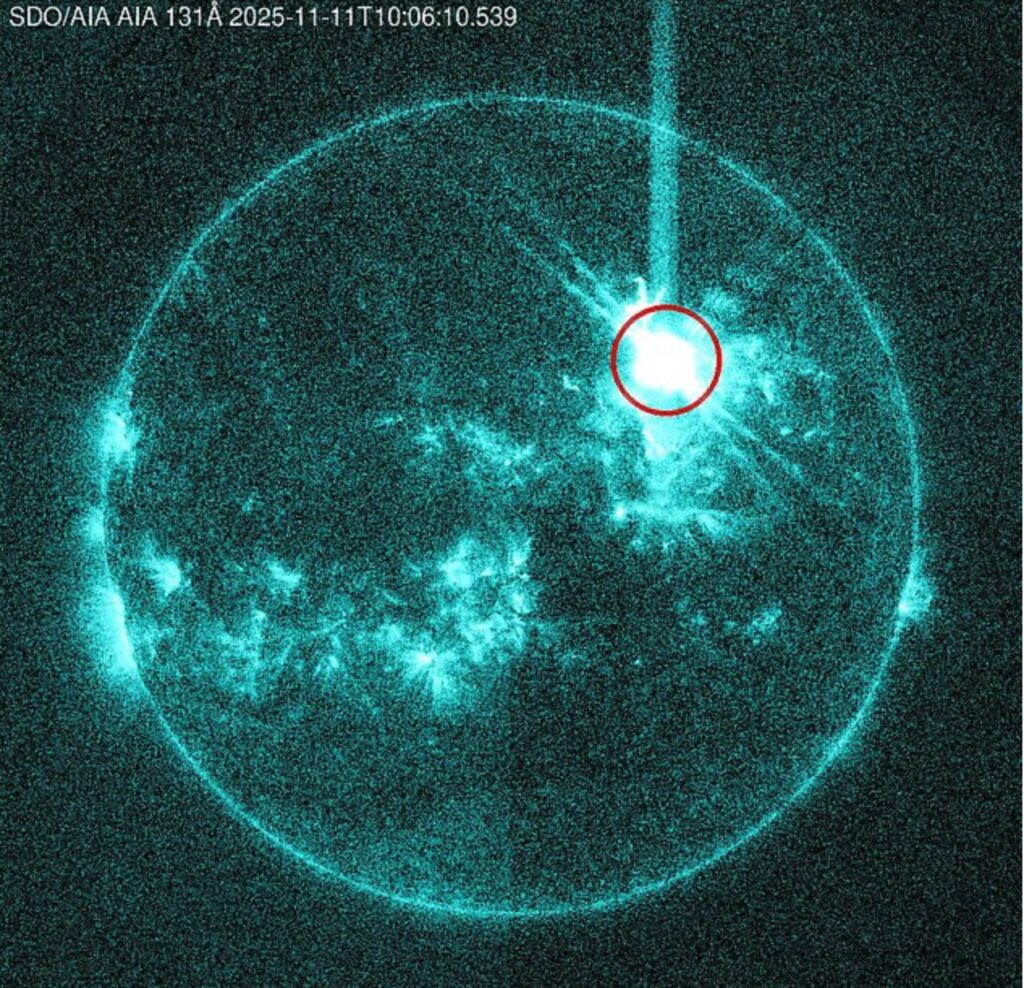
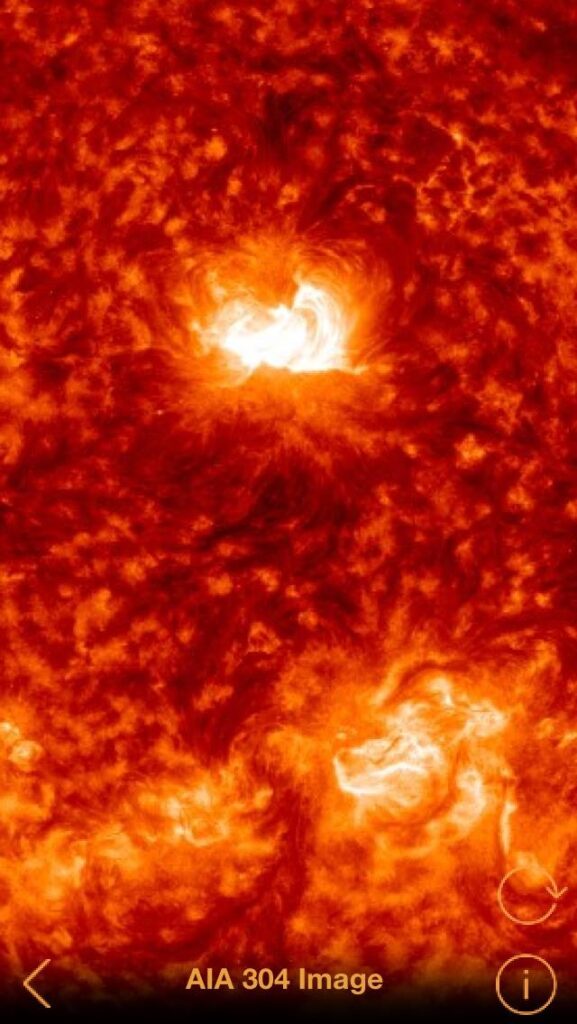
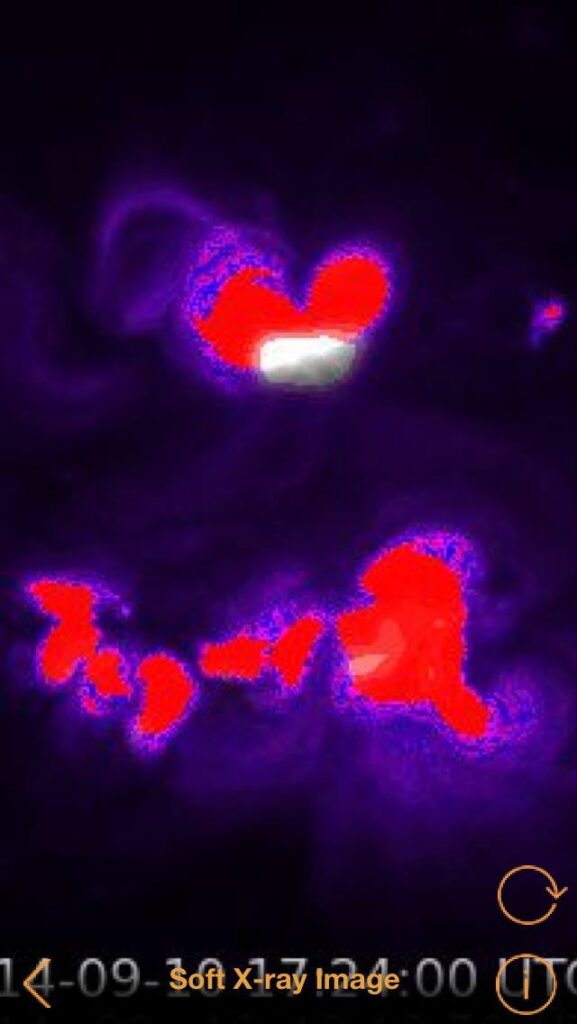
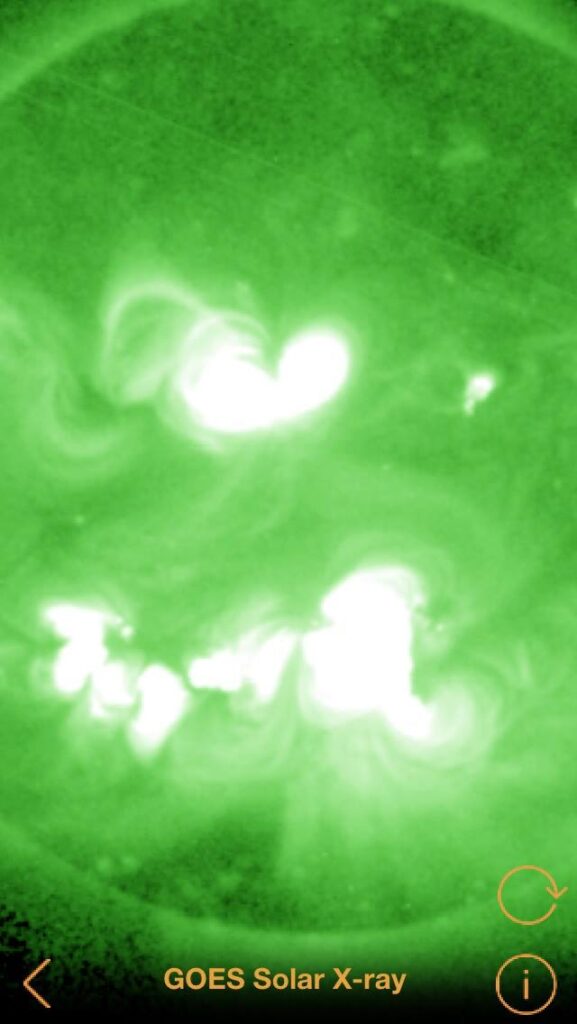
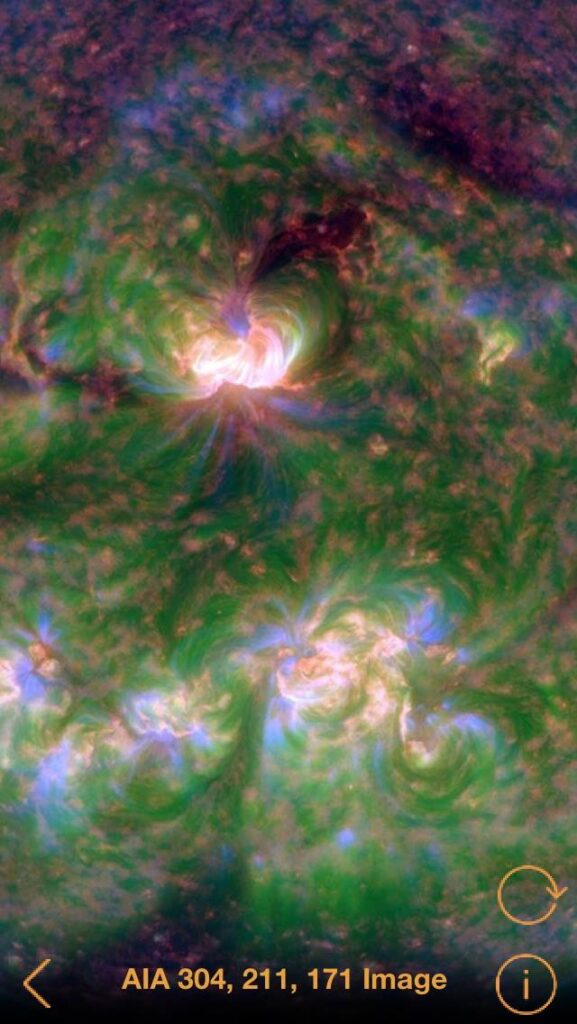
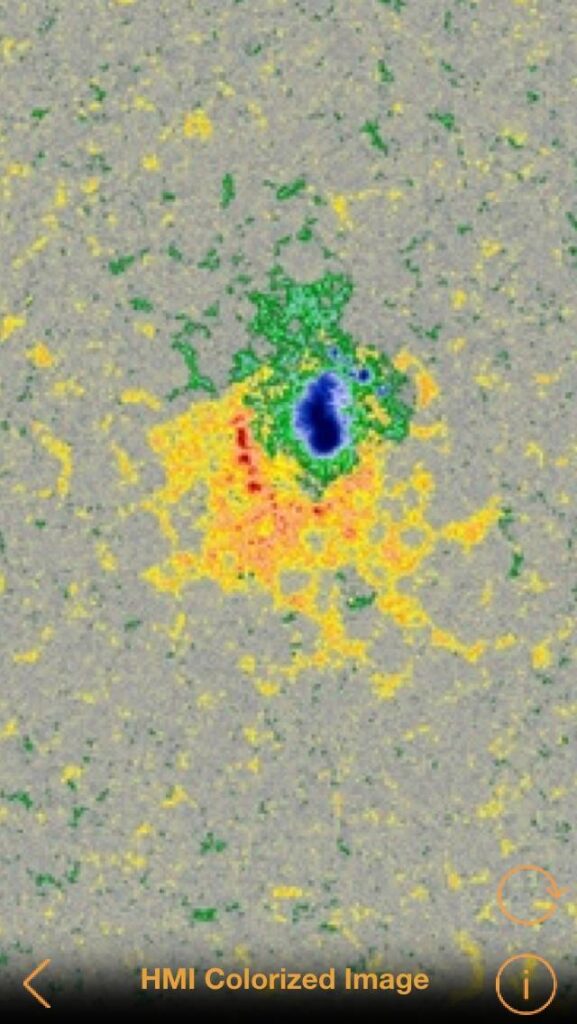
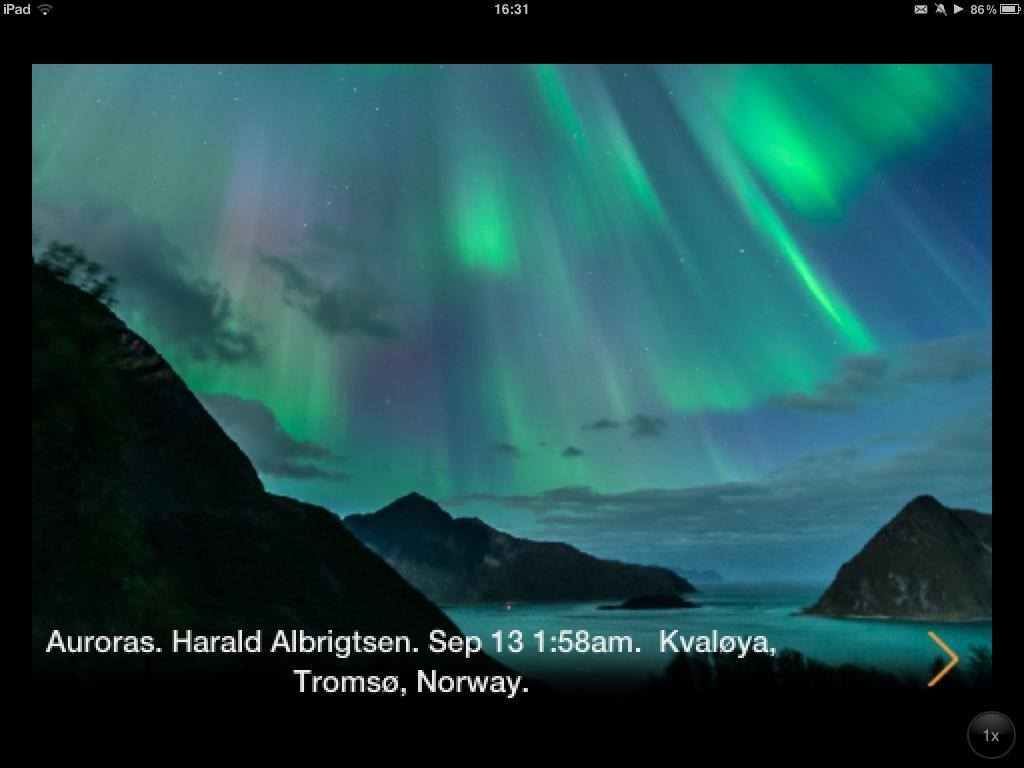
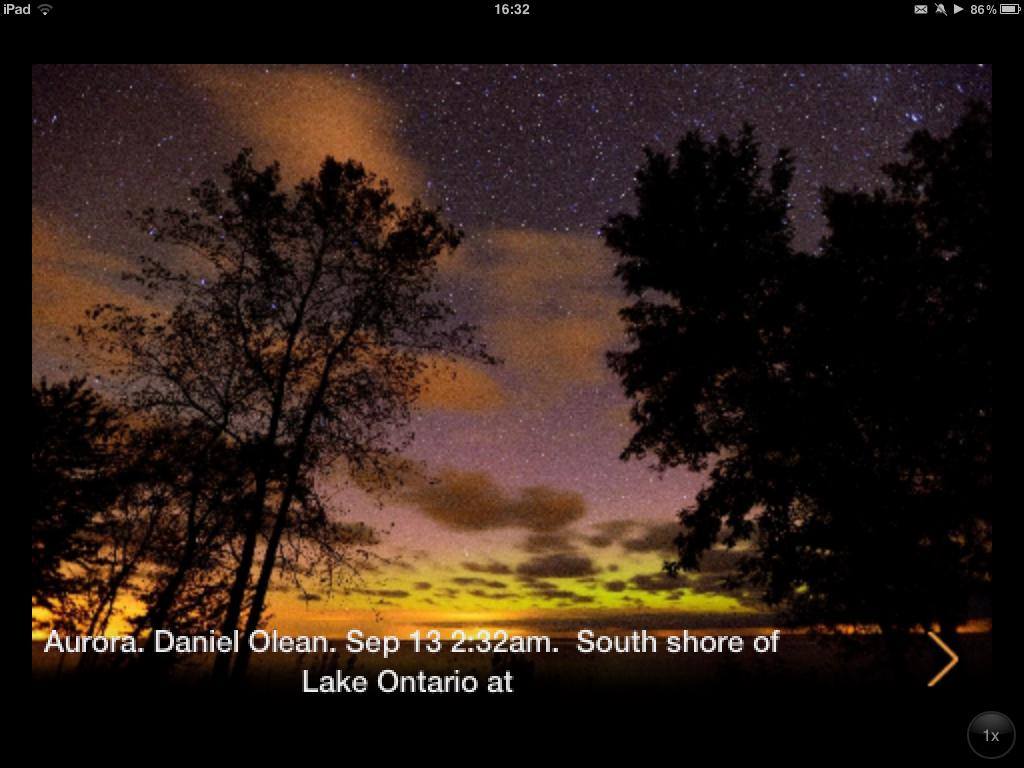
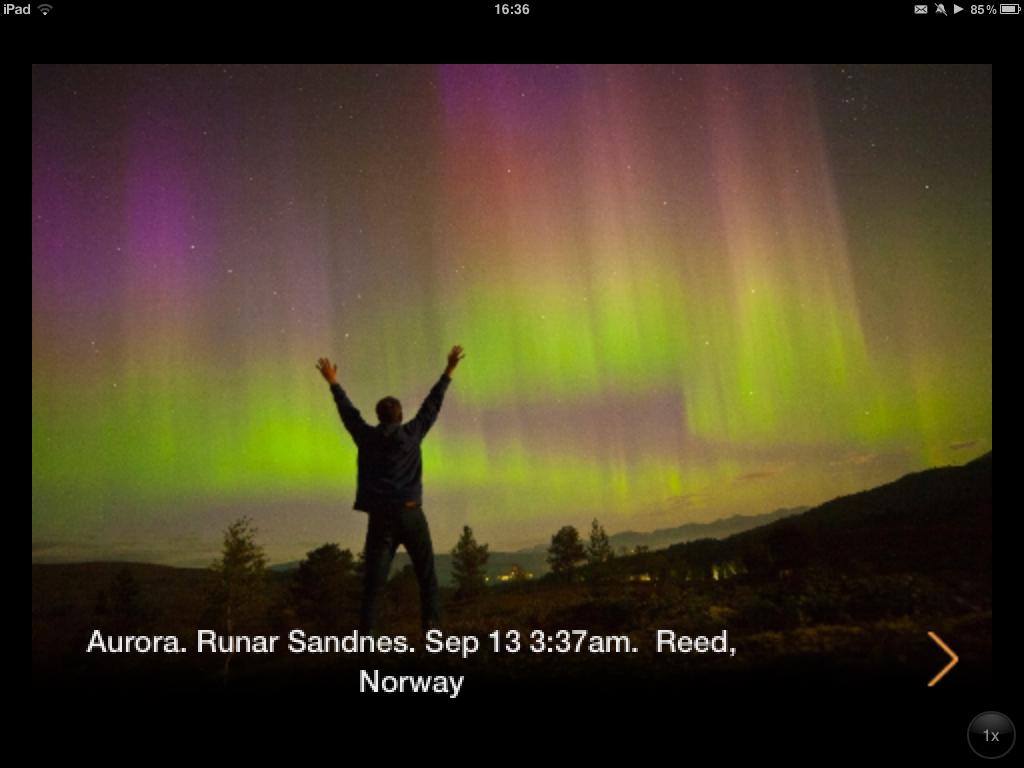
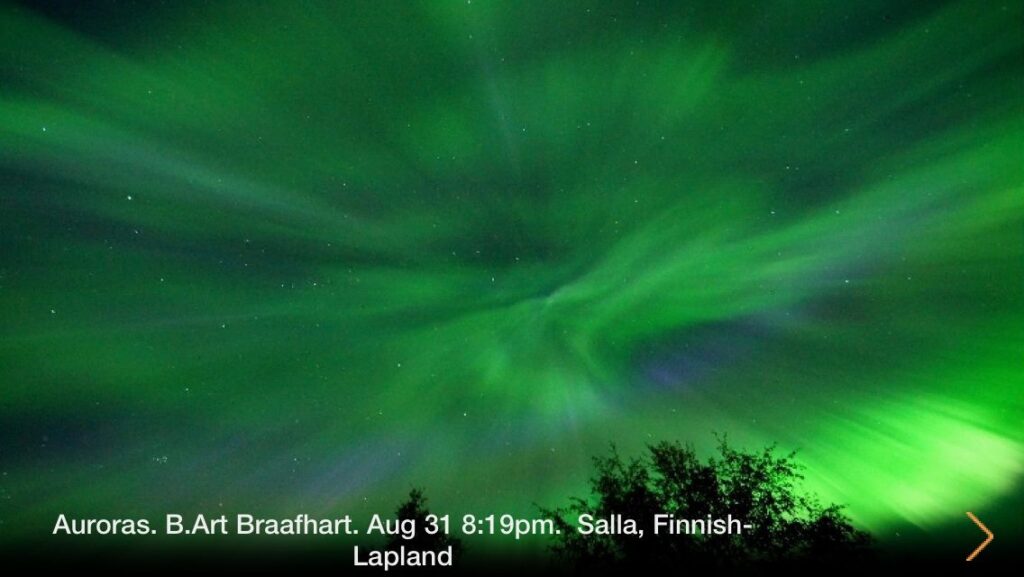
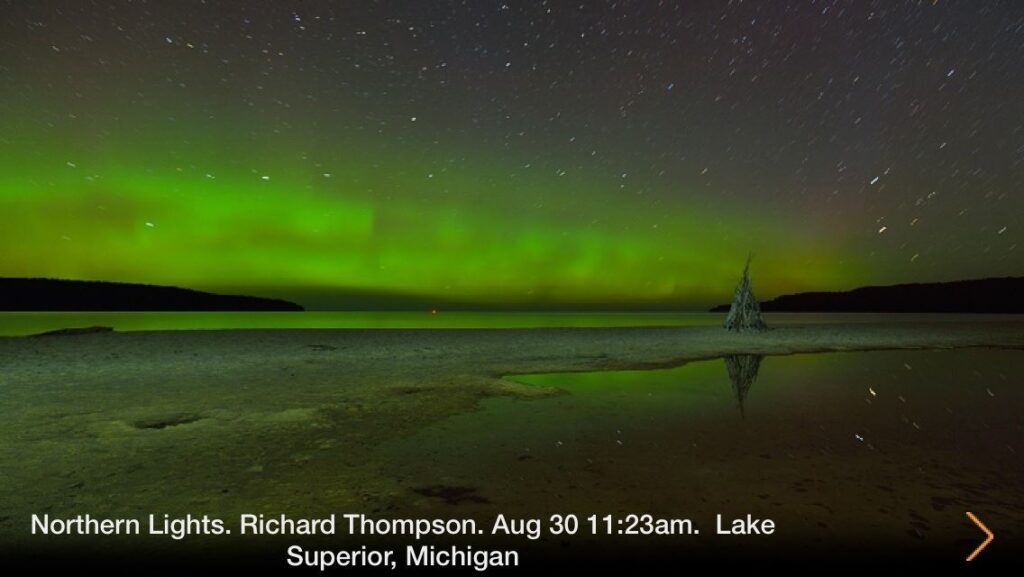
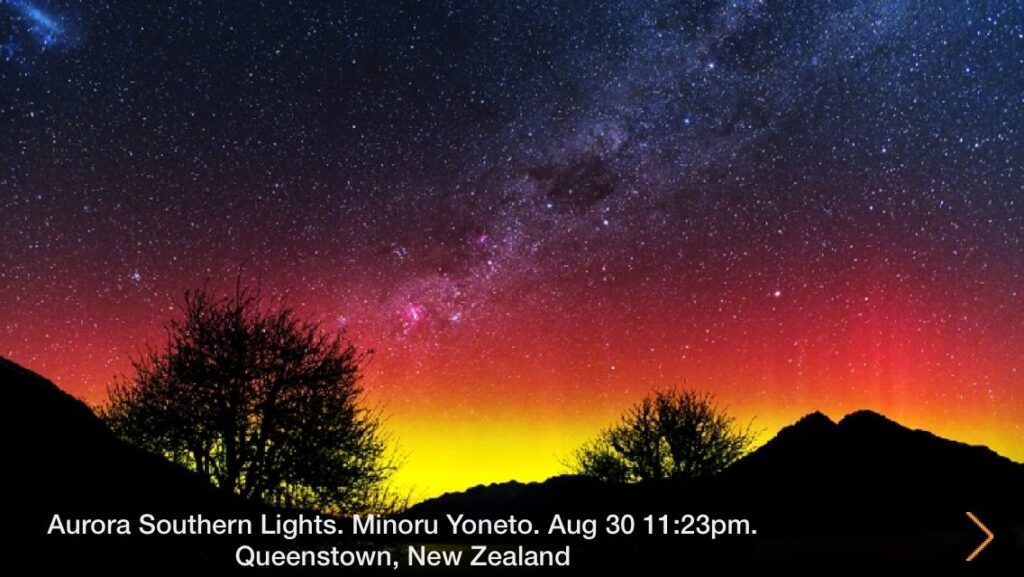
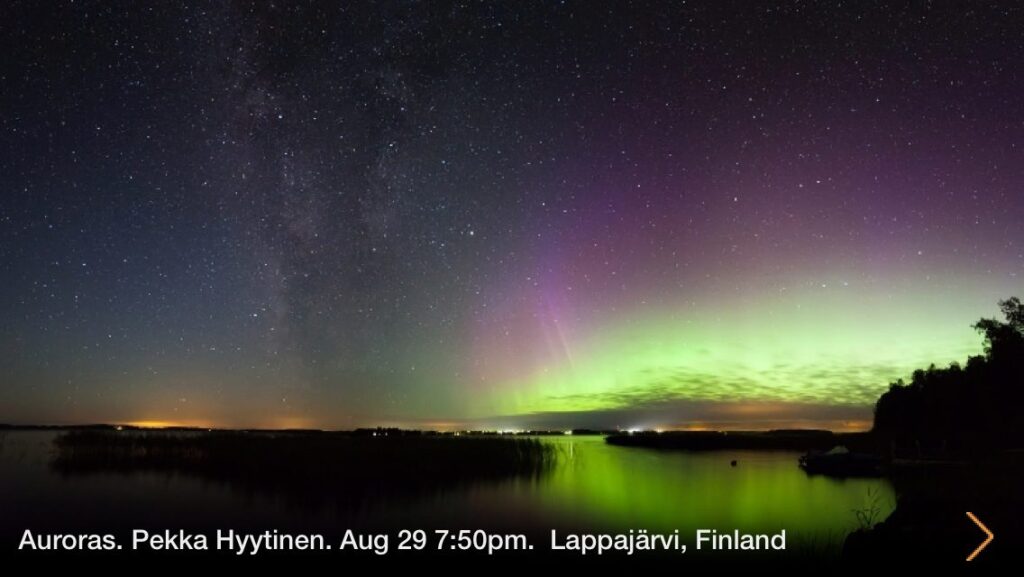
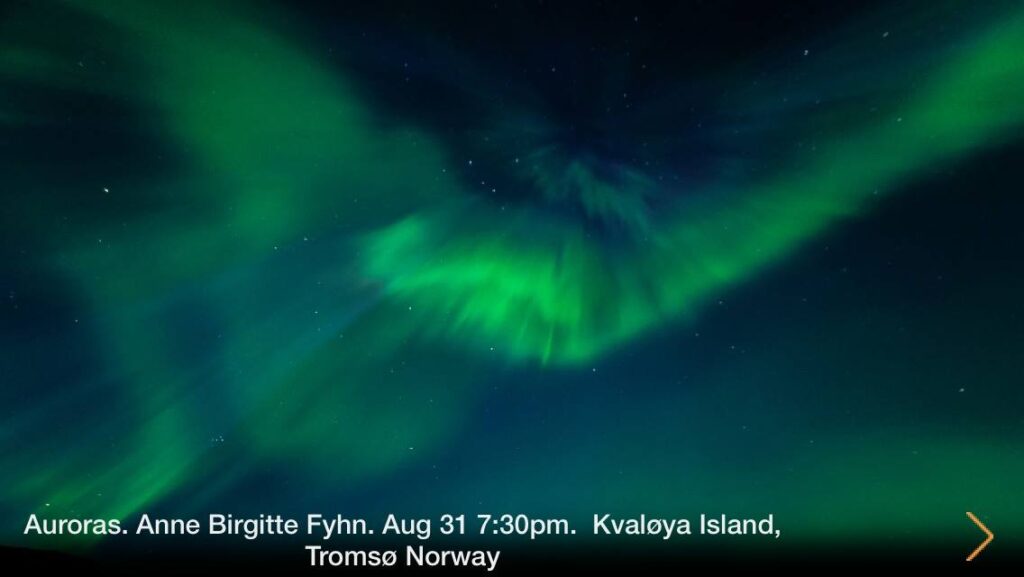
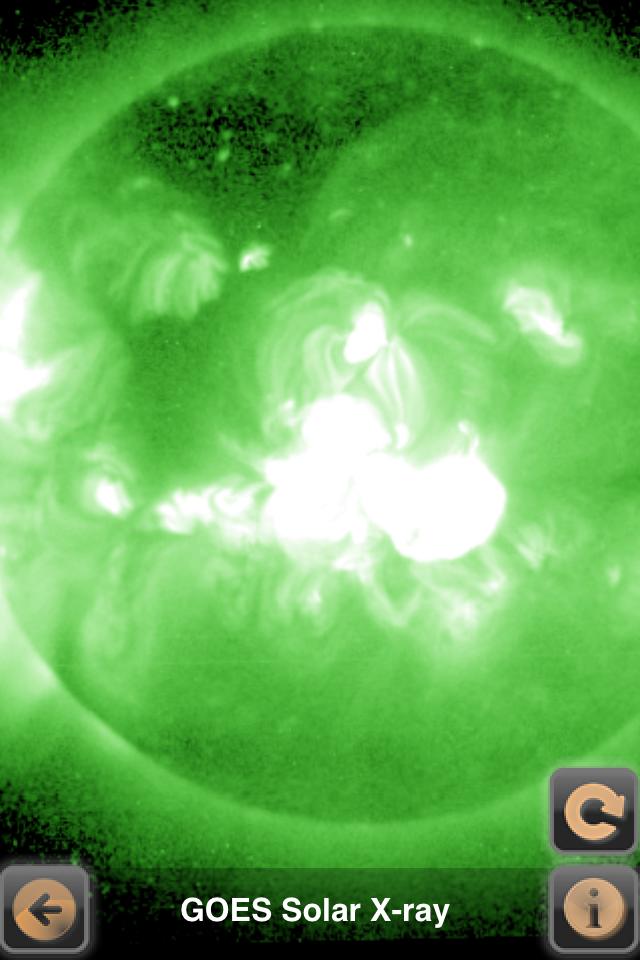
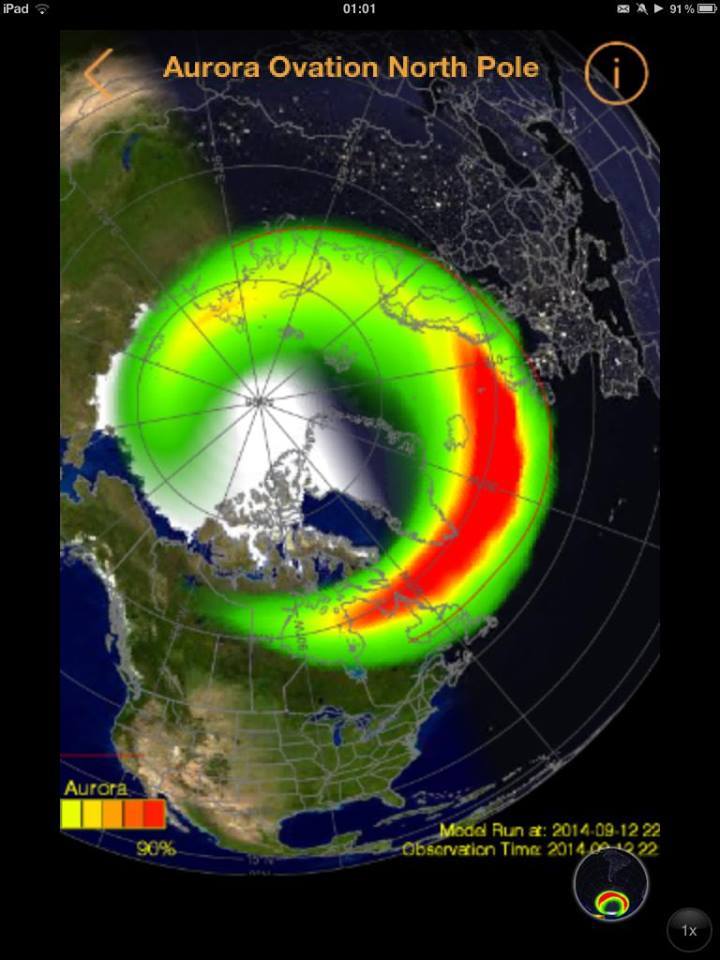
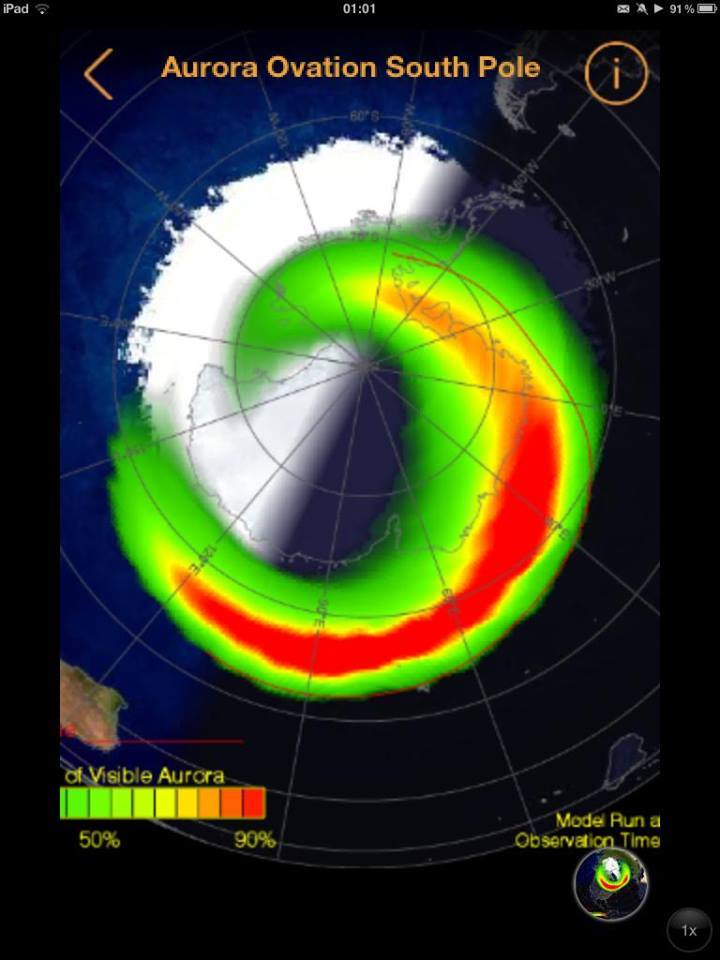
An intense solar storm can do more than produce spectacular auroras. In certain cases, it can also stress the orbital infrastructure on which a growing share of modern life depends. When geomagnetic activity is strong, the upper atmosphere can heat up and expand, increasing density at certain altitudes and, with it, atmospheric drag on satellites in low Earth orbit (LEO). This extra “friction” forces more maneuvering, consumes fuel, and reduces operational margins. But there is an even subtler risk: by adding uncertainty and strain to an already congested environment, a solar storm can act as a trigger—or an amplifier—of problems that, in the worst-case scenario, end in collisions.
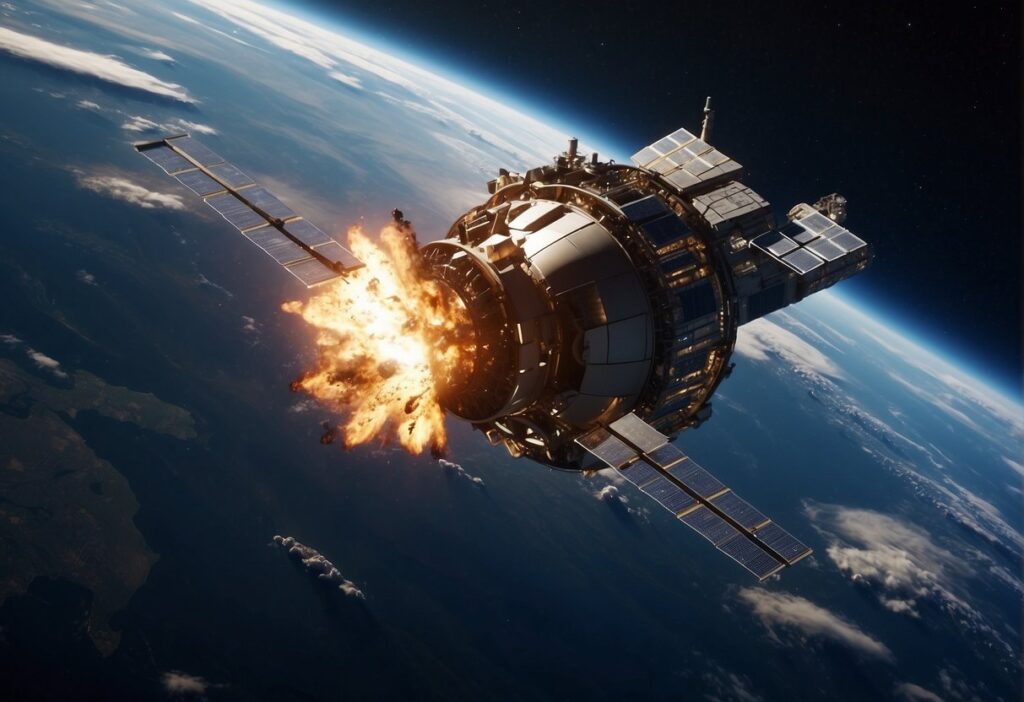
And a collision in space is not an isolated incident. It can generate thousands of fragments capable of striking other satellites, setting off a chain of events. In extreme cases, that cascade could make it very difficult—or outright unfeasible—to operate in certain LEO bands for decades; and if fragmentation remains higher than the natural “clean-up” produced by atmospheric reentry, the problem could last even longer.
This article explains why this risk exists, which services are at stake, why the metals released during reentries matter, and how space weather—and tools such as Solar Alert—fit into a broader vision of technological resilience.
Low Earth orbit: home to much of our invisible infrastructure
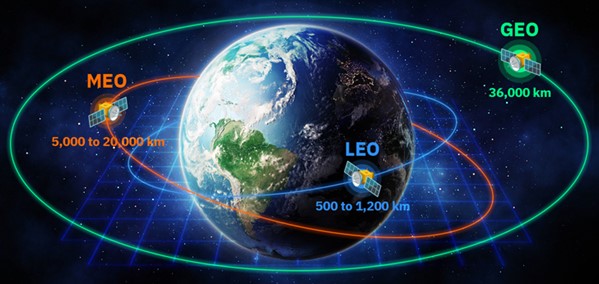
Low Earth orbit (LEO, below ~2,000 km) is the most heavily used region of near-Earth space. It hosts Earth-observation satellites, scientific missions, technology demonstrators, and—more and more—communications constellations. The appeal is clear: shorter distance means lower latency, better sensor resolution, and more accessible missions.
But LEO is not “empty.” Beyond active satellites, there is a significant population of uncontrolled objects and fragments of many different sizes. This reality turns the orbital environment into a system where risk depends not only on “how many satellites there are,” but on how many objects share trajectories, how maneuvers are managed, and what happens when something goes wrong.
There is also a fundamental fact: in orbit, speed changes everything. An impact can release enormous energy even when the fragment is small. That is why space debris is not a minor detail—it is a factor that shapes the design, operation, and future of LEO.
From incident to partial breakdown: how a disturbance can grow

The key question is not only “can a solar storm damage satellites?” but “can a solar storm contribute to conditions that increase collision risk?” The mechanism is indirect, but plausible.
During strong geomagnetic episodes, expansion of the upper atmosphere increases drag. That can cause some satellites to lose altitude faster, require more frequent corrections, or switch into more conservative operating modes. At the same time, greater variability in atmospheric conditions can reduce the accuracy of short-term orbit predictions. In a high-traffic environment, any increase in uncertainty demands more coordination and larger safety margins.
If that stress is compounded by a failure—an un-maneuverable satellite, a loss of communications, an error in collision-avoidance planning—the result could be a significant collision or breakup. And that is where the phenomenon that most concerns the space community comes into play.
The collision cascade: the so-called “Kessler Effect”
When a satellite fragments, it produces a large number of pieces. Those pieces can collide with other objects and generate even more fragments. If this process becomes self-reinforcing, the debris population can grow and increase the risk of further collisions, creating a sustained degradation dynamic.
In extreme scenarios, the outcome would not necessarily be “the end of space,” but it could mean a prolonged loss of accessibility to certain altitudes or inclinations: operating satellites would become more expensive and riskier, and launching replacements would be far more complex. The problem would not only be technical; it would be strategic: part of our orbital infrastructure would shift from a stable resource to a hostile environment.
Which services would be affected—and why it would not be an immediate global blackout

If LEO were severely degraded, the impacts would be significant, though uneven:
- Earth observation: monitoring wildfires, floods, ice changes, agriculture, and land-use planning. Many applications rely on consistent time series; losing satellites means losing continuity and detail.
- Meteorology and environmental monitoring: some of the observations that feed forecasting models and warning systems come from satellites (in LEO and other orbits). Losing a meaningful share of observations reduces quality, resolution, and robustness—especially during extreme events.
- LEO connectivity: low-latency constellations provide coverage for mobility (sea and air), rural regions, and emergency scenarios. A major degradation of LEO would hit this modern connectivity layer.
Still, not everything depends on LEO. There are satellites in medium Earth orbit and geostationary orbit, and most Internet traffic runs through terrestrial networks. For that reason, the overall result would generally be a major loss of capacity, resilience, and coverage—not an immediate global blackout.
The “second impact”: reentries and metals in the upper atmosphere
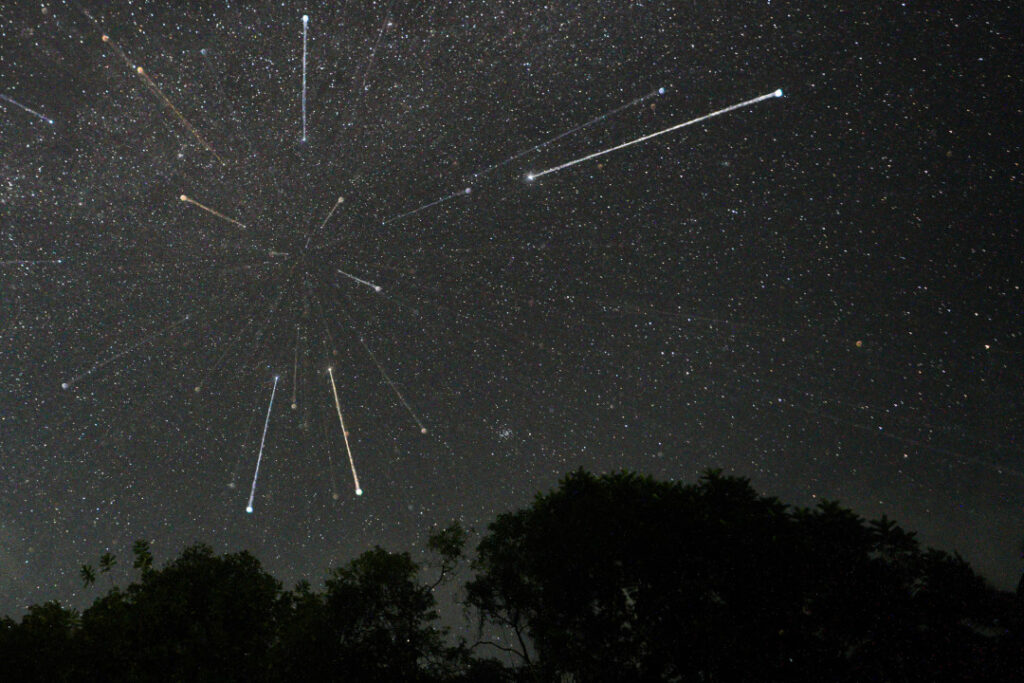
Beyond orbital safety, there is a less visible—and yet planet-relevant—aspect: what happens when space hardware reenters the atmosphere.
When a satellite reenters, it does not simply “disappear”: it transforms
Many satellites contain large amounts of aluminum (structures, panels), as well as other metals and alloys in components, electronics, and power systems. During reentry, a substantial fraction of the material vaporizes and reacts chemically, forming aerosols—ultrafine particles that can remain in upper atmospheric layers.
Why the “metallic signature” matters
The upper atmosphere—especially the stratosphere—plays a role in processes that affect ozone chemistry and the radiative balance (how energy is absorbed and reflected). The presence of particles, including those with metallic components, can influence chemical reactions and how energy is distributed in these layers. Modern atmospheric science has already observed signals consistent with reentry materials in stratospheric aerosols, reinforcing that this is not an abstract hypothesis but a measurable phenomenon.
Alumina (aluminum oxide) as a focal point
Recent models explore scenarios in which reentries increase due to constellation growth and faster replacement cycles. In these projections, the aluminum oxide produced could become a relevant contributor to upper-atmosphere aerosols. Major uncertainties remain—true particle size distributions, transport, reactivity, and net effects—but the overall message is clear: the higher the reentry rate, the greater the likelihood that the chemical and physical footprint in the upper atmosphere will grow.
In the extreme scenario of a massive breakup, the impact would not be limited to “fragments orbiting.” Over time, part of that material would reenter, adding a higher metallic load to the upper atmosphere, with potential consequences that science is still working to constrain.
Solar Alert’s contribution: value for the public and for satellite operators
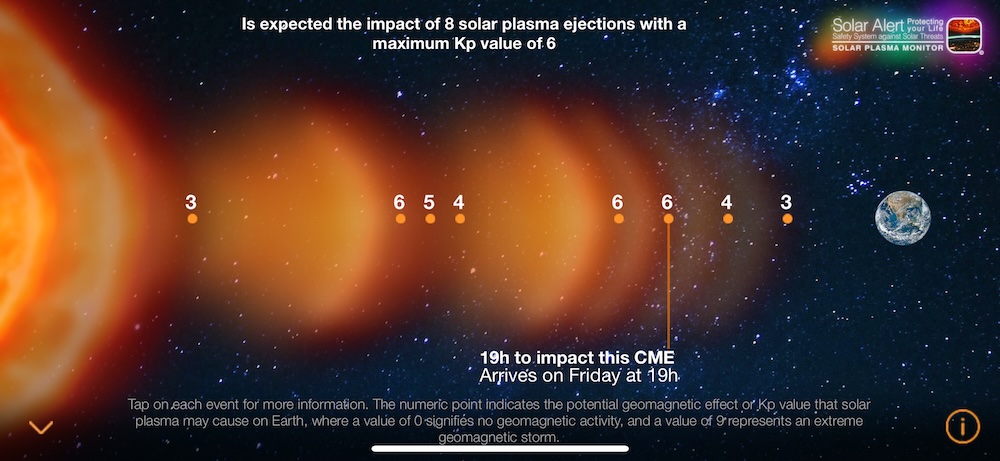
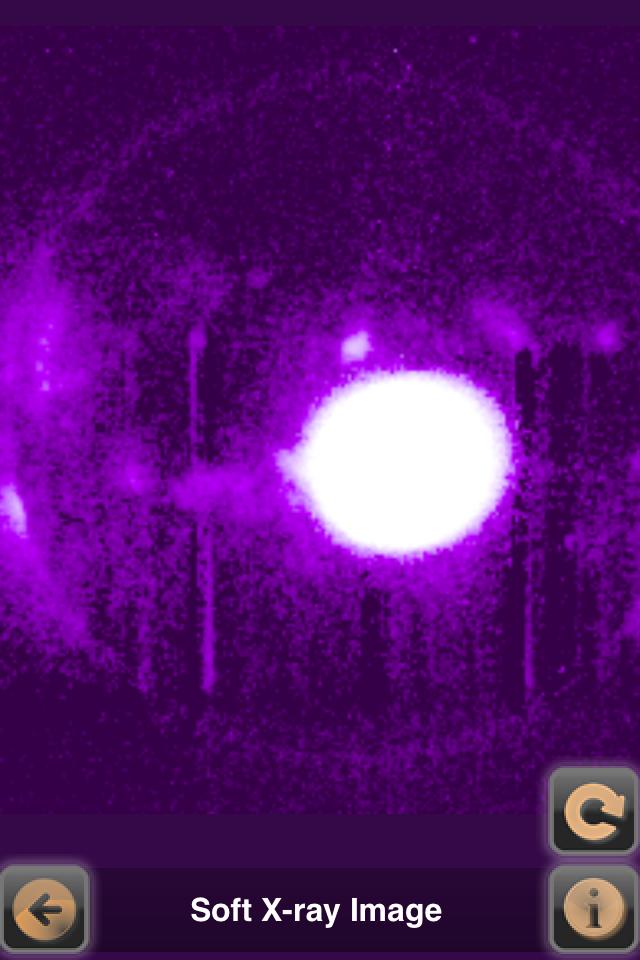
The point is not that an app “solves” space debris. The contribution of a tool like Solar Alert is more specific: helping anticipate space-weather episodes that can complicate operations in LEO and, in extreme situations, increase cascade risks.
For the general public: information that can protect and prepare
Intense solar storms do more than create auroras. They can also alter the space environment and, depending on the event, affect technologies we rely on (for example, certain satellite services). In that context, receiving a reliable alert helps people understand the risk, follow guidance from official sources, and prepare for possible indirect impacts. In severe episodes, being informed can support safety—not because the public “controls” the phenomenon, but because it reduces improvisation and improves response.
For engineers, operators, and companies: an early signal to operate with more margin
For satellite control teams, operations centers, orbital-dynamics analysts, and companies managing constellations, space weather is an operational variable. During geomagnetic storms, the upper atmosphere can heat and expand, increasing density at certain altitudes. That increases drag: satellites may lose altitude faster, burn more fuel to maintain orbit, and—crucially—trajectories become harder to predict with high precision. That uncertainty complicates maneuver planning and collision avoidance.
In practice, an alert can help anticipate higher-drag windows and adjust margins; plan maneuvers more conservatively and prioritize tracking; coordinate operations—such as deployments, altitude changes, or tests—away from more sensitive periods; and improve situational awareness in an already congested orbital environment. Real episodes of accelerated reentry following geomagnetic activity have shown that drag can have operationally significant effects, especially for newly deployed satellites or those with limited margins.
A key takeaway: a resilience tool, not a “single solution”
In an increasingly crowded LEO, any factor that increases uncertainty and maneuvering—such as geomagnetic storms—can raise operational risk. Solar Alert fits as a tool for awareness, preparedness, and decision support for both the public and professionals, but it does not replace space-traffic management, safe mission design, or debris-mitigation policy.
What is being done to reduce the risk
Mitigating space debris is not limited to “stop launching.” It requires a set of complementary measures:
- Design and end-of-life disposal: satellites that deorbit in a controlled way or reduce the time they remain as defunct objects.
- Space-traffic management and coordination: more data, better prediction, and shared protocols to avoid collisions.
- Stronger rules and best practices: limiting how long inactive satellites stay in orbit and reducing fragmentation risk.
- Active removal of large objects: because the most massive objects, if fragmented, can feed a cascade disproportionately.
No single measure is sufficient. Resilience in LEO depends on the combination of engineering, responsible operations, and international coordination.
Conclusion: an orbital risk with terrestrial implications
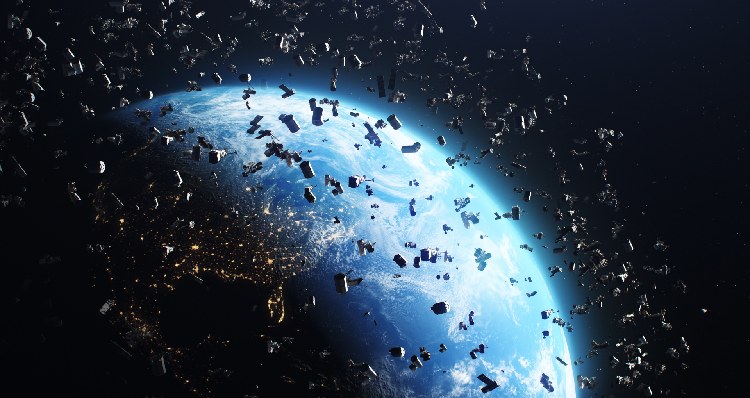
A strong solar storm does not “break the world” by itself. Yet in a densely occupied orbital environment, it can become an amplifying factor: it increases drag, reduces margins, adds uncertainty, and forces more cautious operations. If that stress coincides with failures or delayed decisions, risk can escalate into collisions and fragmentation, opening the door to a prolonged infrastructure crisis in space.
At the same time, the issue does not end in orbit: more reentries also mean greater injection of materials—including metals—into the upper atmosphere, an active area of research with important questions for stratospheric chemistry and ozone.
Understanding space weather and paying attention to alerts is not just scientific curiosity. It is part of the resilience of a technological society that depends—more and more each day—on what happens silently a few hundred kilometers above our heads.
Sources and references
Orbital environment and space debris (ESA / NASA)
- ESA — Space Environment Report (latest edition).
- ESA — Space Environment Statistics (DISCOS).
- NASA JSC — Orbital Debris Program Office: FAQ (impact speeds and debris hazards in LEO).
Reentry metals and potential atmospheric effects
- Murphy, D. M. et al. (2023) — Metals from spacecraft reentry in stratospheric aerosol particles (PNAS).
- Ferreira, J. P. et al. (2024) — Potential Ozone Depletion From Satellite Demise During Atmospheric Reentry in the Era of Mega-Constellations (Geophysical Research Letters).
Space weather, atmospheric density, and drag (Starlink 2022 example)
- NOAA SWPC — Satellite Drag (impacts of solar activity in LEO).
- Kataoka, R. et al. (2022) — Unexpected space weather causing the reentry of 38 Starlink satellites… (Journal of Space Weather and Space Climate).
- Oliveira, D. M. et al. (2024) — The Loss of Starlink Satellites in February 2022… (Space Weather, AGU).
Measures and policy
- FCC — Adopts New “5-Year Rule” for Deorbiting Satellites.
- ESA — New Space Debris Mitigation Policy and Requirements in effect (Nov 2023).