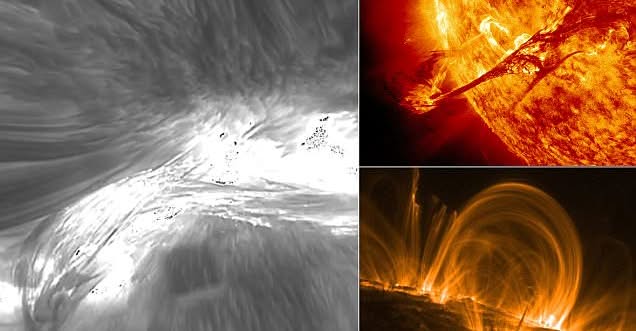
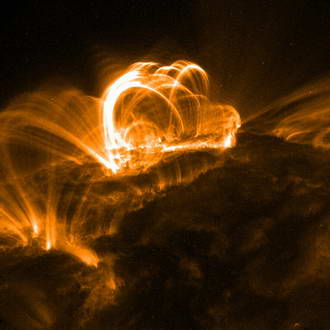
A twisting magnetic flux rope on the Sun’s surface was observed leading to a solar flare, providing key insights into how solar magnetic fields release energy. This event highlights the role of flux ropes in triggering solar flares, which can affect Earth’s space weather and technological systems.
The long-standing mystery of why the Sun’s corona is millions of degrees hotter than its surface may be explained by “nanoflares,” tiny but frequent magnetic explosions in the corona. These small-scale events, occurring millions of times per second, release enough energy collectively to account for the extreme temperatures observed. This discovery advances our understanding of solar dynamics and has implications for studying space weather.
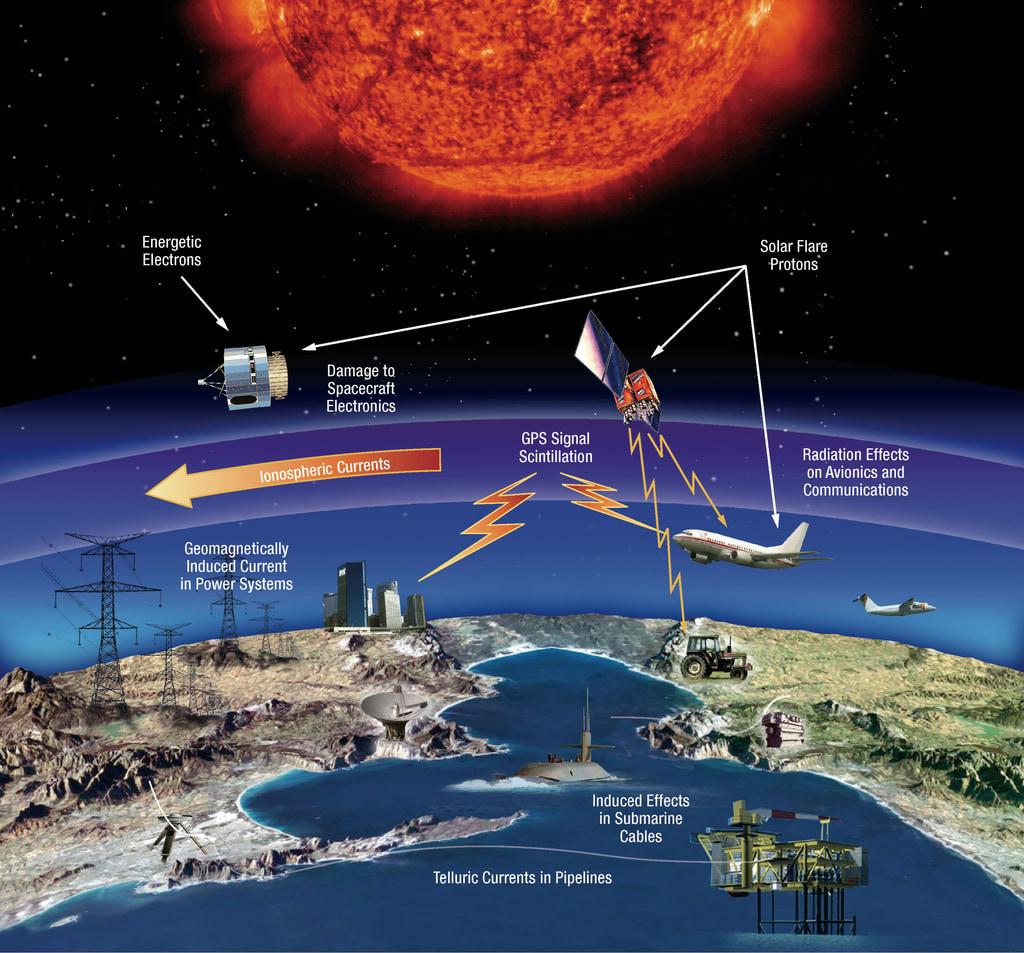
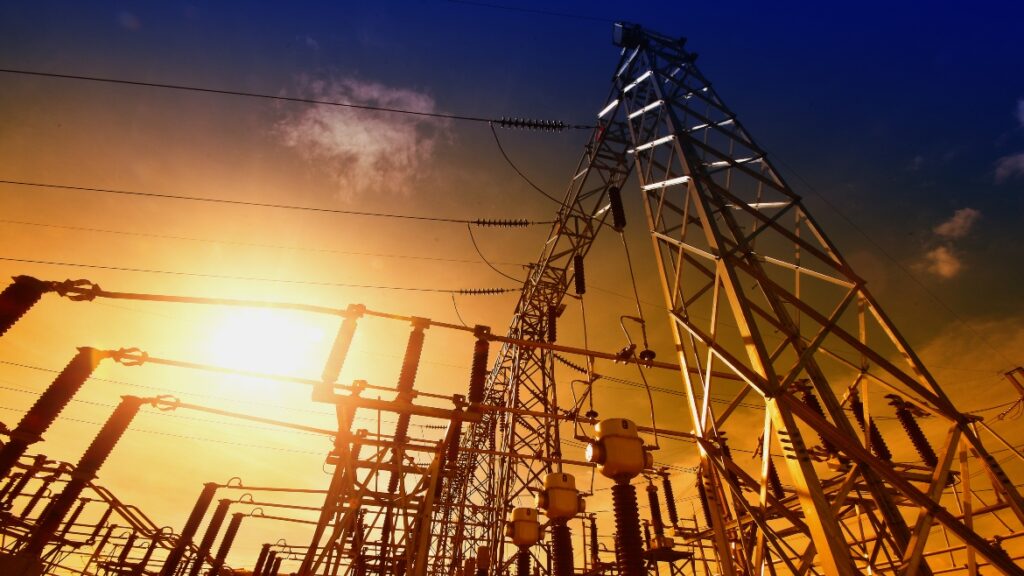
Solar flares and coronal mass ejections (CMEs) can disrupt Earth’s technology by impacting power grids, satellites, communication systems, and aviation. These events cause geomagnetic storms that induce electrical surges, interfere with satellite signals, and disrupt high-frequency radio communication. While personal electronics are less affected, large-scale infrastructure faces significant risks. Mitigation strategies include hardening power grids, shielding satellites, and improving space weather forecasting to reduce disruptions.
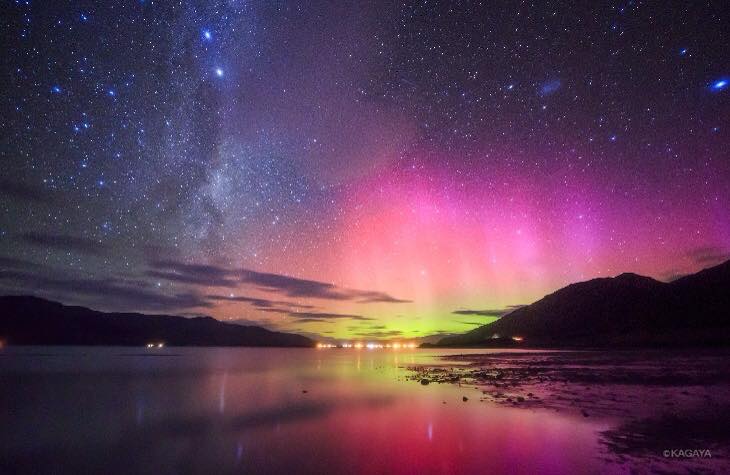
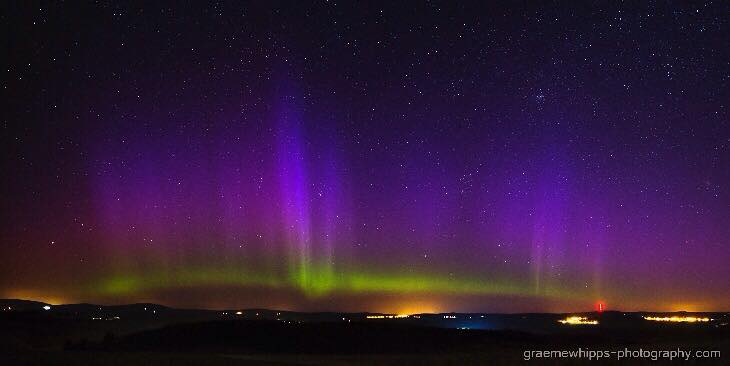
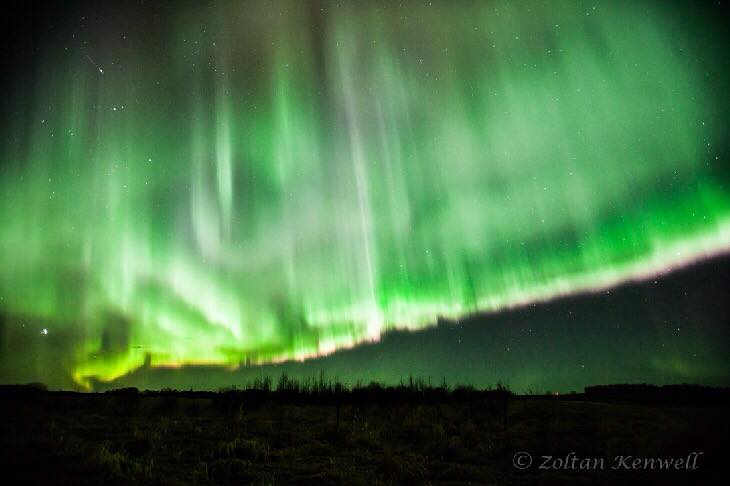
Astronauts aboard the International Space Station (ISS) have recently experienced geomagnetic storms firsthand, offering them extraordinary views of the aurora borealis directly outside their windows. These geomagnetic storms occur when solar winds interact with Earth’s magnetic field, creating stunning auroras visible from space. For more insights into space weather and its impacts, visit NASA’s science news page.
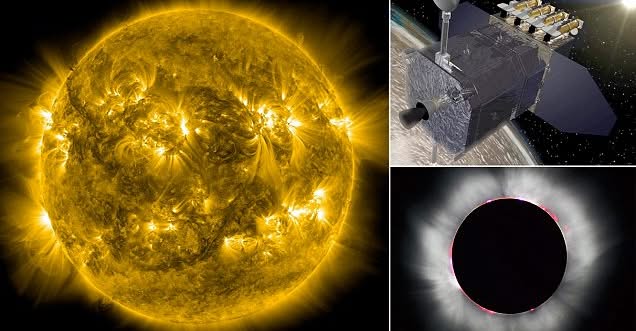
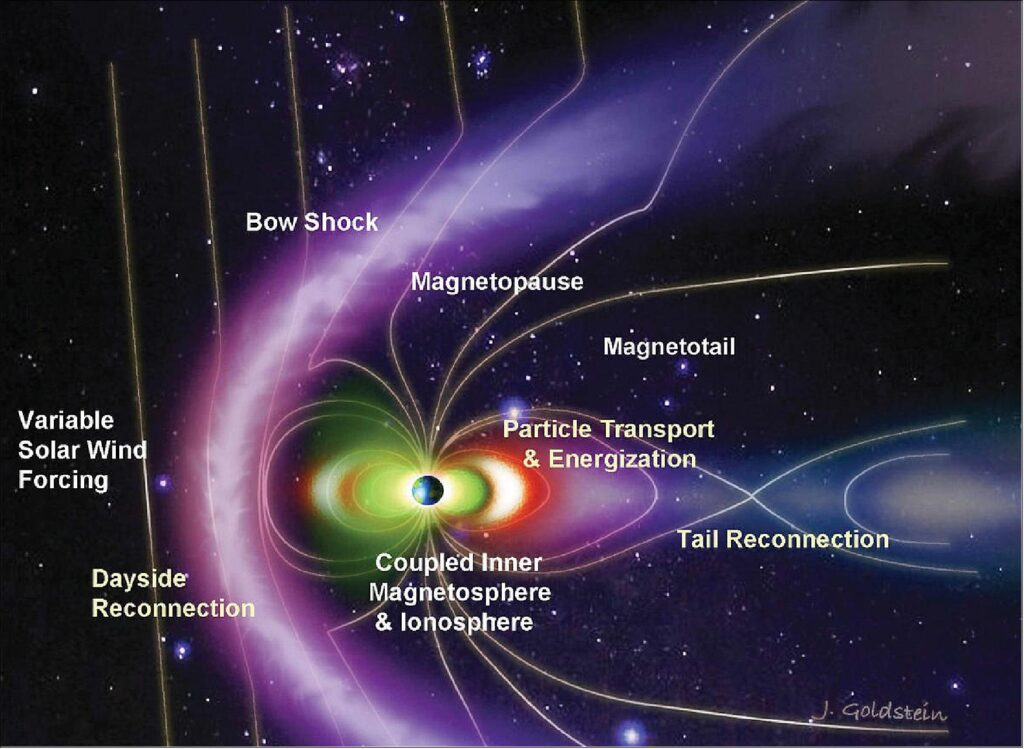
In March 2015, NASA launched the Magnetospheric Multiscale (MMS) mission, comprising four spacecraft designed to study magnetic reconnection—a process where magnetic fields explosively realign, releasing vast amounts of energy. This phenomenon is pivotal in driving space weather events, such as solar flares and coronal mass ejections, which can disrupt Earth’s satellites, power grids, and communication systems. The MMS mission aims to provide detailed insights into magnetic reconnection by flying in a tetrahedral formation through Earth’s magnetosphere, collecting high-resolution measurements to enhance our understanding of space weather and its potential impacts on modern technology.
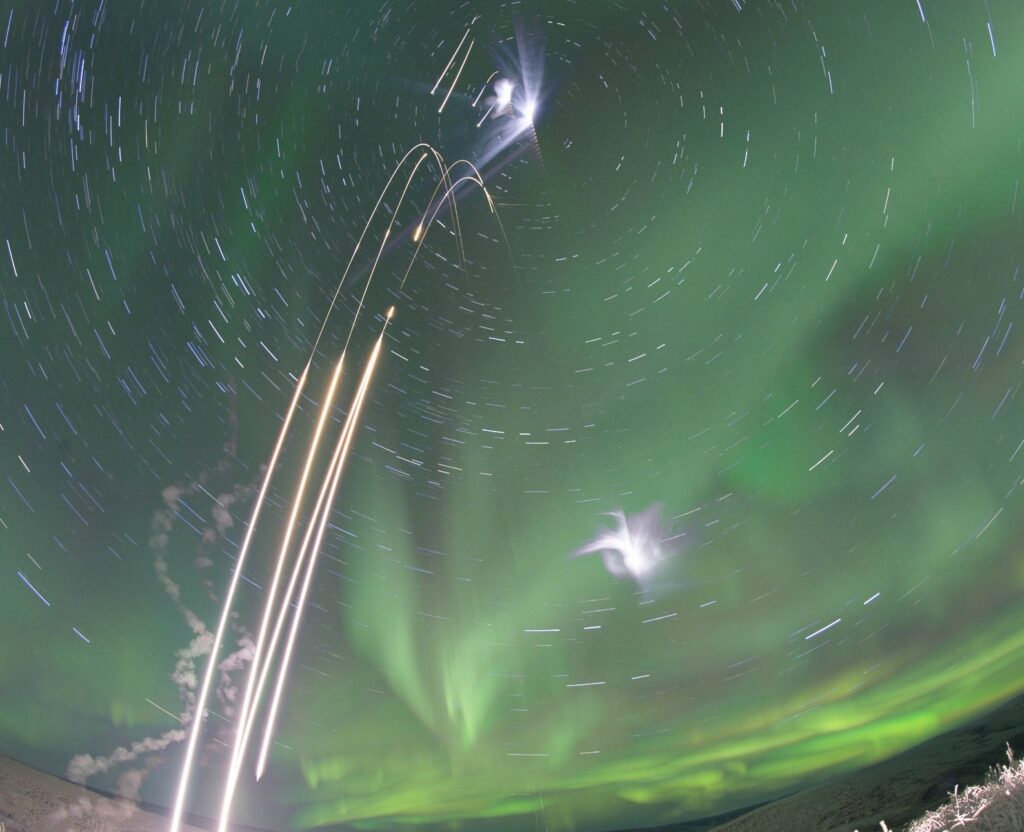
NASA has been launching sounding rockets into the aurora borealis, or Northern Lights, to study the complex interactions between solar winds and Earth’s magnetic field. These missions aim to understand how energy and particles from the sun influence our planet’s space environment, which can impact satellite communications and power grids. By deploying instruments directly into auroral events, scientists gather valuable data on the processes that drive these spectacular light displays and their broader implications for Earth’s geomagnetic systems.
Stanford University researchers Monica Bobra and Sebastien Couvidat have developed an artificial intelligence (AI) algorithm to predict solar flares, utilizing data from NASA’s Solar Dynamics Observatory (SDO). The SDO captures extensive images of the sun, providing a rich dataset for analysis. By training their machine learning model on over 1,000 active solar regions, the researchers achieved an 87% accuracy rate in predicting severe solar flares, surpassing previous models that had a 67% accuracy rate. This advancement holds promise for improving space weather forecasting, which is crucial for protecting satellites, power grids, and communication systems from solar-induced disruptions.
In 1859, the Carrington Event, an unprecedented geomagnetic storm, generated strong electric currents in telegraph wires, disrupting their operation. Remarkably, some telegraph systems continued to function without external power, powered solely by geomagnetically induced currents. This phenomenon demonstrated the profound impact auroral electromagnetism can have on technology, even in the 19th century.
The U.S. electric grid faces significant risks from natural disasters, cyberattacks, and geomagnetic disturbances caused by solar storms. Solar events can damage transformers, while cyberattacks exploit digital vulnerabilities, threatening public safety and the economy. Mitigation strategies include investing in resilient infrastructure, enhancing cybersecurity, implementing advanced monitoring, and improving emergency preparedness. Collaborative efforts between government and industry are essential to safeguard the grid.